Featured
Table of Contents
- – Ask for referrals
- – Check Online Reviews
- – Consult Local Trade Organizations
- – Prioritizing Local Contractors
- – Evaluation of Online Presence
- – Verifying Credentials and Experience
- – Insurance and Licensing
- – Certifications
- – Experience Assessment
- – Obtain Multiple Estimates
- – Get Detailed Written Estimates
- – Compare Equipment Recommendations
- – Be Wary of Extreme Pricing
- – Ask About Energy Efficiency and Rebates
- – Evaluate Professionalism
- – Evaluation of Warranties and guarantees
- – Equipment Warranties
- – Labor Warranties
- – Satisfaction Guarantees
- – Consider Maintenance Services
- – Maintenance Plans
- – Documentation
- – Making the Final Decision
- – Compare All Factors
- – You should trust your instincts
- – Review the Contract
- – After Hiring
- – During the Project
- – Post-Installation
- – Considerations for the Long-Term
- – Ongoing Maintenance
- – Future Planning
When searching for a reliable HVAC contractor, thorough research and gathering recommendations are crucial first steps. Here's how you can approach the process:
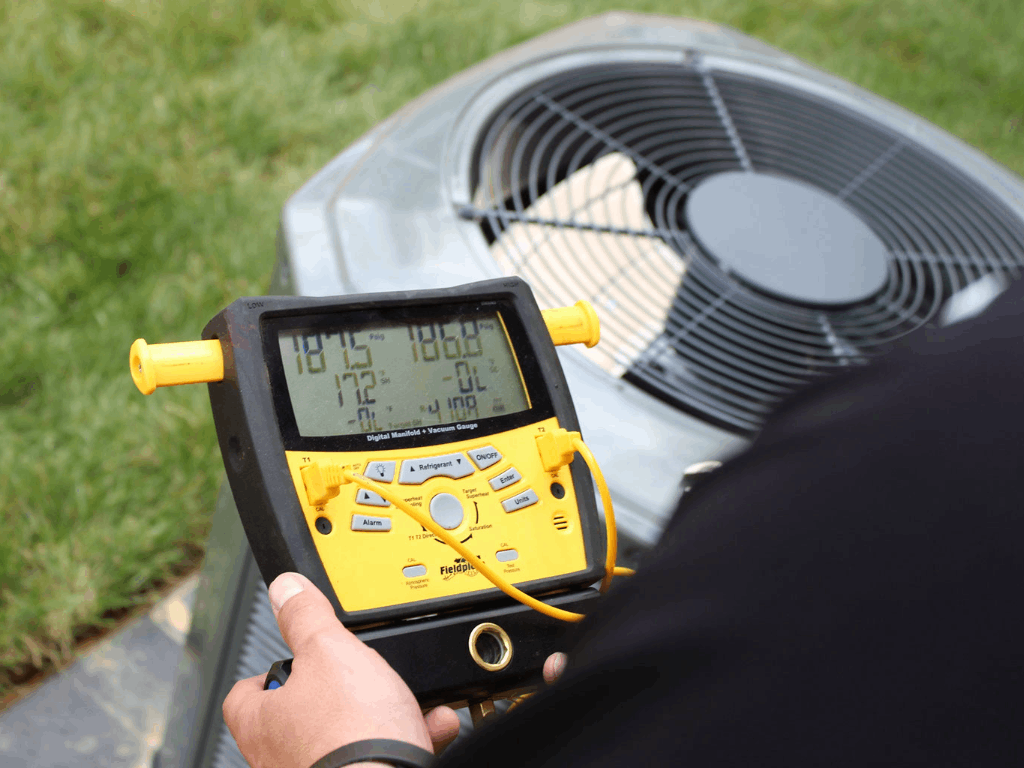
Ask for referrals
It is important to ask for recommendations from people in your network if you want to find a reputable HVAC contractor. Why is it so effective?
-
Trusted Sources: Friends, family, and neighbors are likely to give you honest, unbiased opinions about their experiences.
-
Recent Experiences : Focusing on people who have had HVAC work recently, you can get the most up-to date information regarding the contractor's practices and work quality.
-
Detailed Insights Personal connections can provide details about their experiences, including:
- The contractor's punctuality
- Respect for your home and cleanliness
- Quality of communication
- How well they handled any issues that arose
- The final cost compared to the initial estimate
-
Local Knowledge: Referrals from neighbors can be particularly valuable as they likely used contractors familiar with local climate conditions and building codes.
-
Long-term Performance: You can ask about how well the HVAC system has been working since installation, providing insights into the longevity and effectiveness of the contractor's work.
Check Online Reviews
Online reviews can give you a more comprehensive view of a contractor's standing. Here's how to effectively use online platforms:
-
Multiple platforms: For a more comprehensive picture, check reviews on sites such as Google My Business, Yelp and the Better Business Bureau.
-
Look for Patterns: Pay attention to recurring themes in reviews, both positive and negative. These patterns often reveal a contractor's strengths and weaknesses.
-
Recent Reviews: Focus on more recent reviews as they reflect the contractor's current performance and practices.
-
Responses to Reviews: The way a company reacts to negative feedback can be telling. Look for:
- Professionalism in responses
- Willingness to address and resolve issues
- Consistency in follow-up
-
Verify Authenticity: Be aware that some reviews may be fake. You should look for reviews that are detailed and specific, rather than ones that are vague or too promotional.
Consult Local Trade Organizations
Local HVAC trade associations are a great resource for your search.
-
Standards of Quality These organizations have often strict membership criteria to ensure that contractors listed meet high standards in professionalism and expertise.
-
Ethical Guidelines: Members are typically required to adhere to a code of ethics, which can provide additional peace of mind.
-
Current Information: Many trade organizations require their members to hold current licenses and certificates, so you know that they are qualified professionals.
-
Dispute resolution: Some organisations offer mediation services when disputes arise between customers and contractors.
-
Educational Resources These associations can provide you with educational materials on HVAC systems to help you make better decisions.
-
Local Knowledge: Contractors who are affiliated with local trade associations will likely be familiar with regional climate challenges as well as local regulations.
Prioritizing Local Contractors
Selecting a local HVAC contractor has several benefits:
-
Regional expertise: Local contractors understand the climate challenges specific to their area.
-
Familiarity with Local Building Codes: Local professionals are well-versed in regional building regulations.
-
Rapid response: Local contractors can quickly reach your property in case of HVAC emergencies.
-
Community Reputation: Local businesses have a vested interest in maintaining a positive reputation within the community.
Evaluation of Online Presence
A contractor's digital footprint can provide valuable insights:
-
Website Quality: A well-designed, informative website often indicates a professional and organized business.
-
Customer Reviews: Search for real reviews and testimonials both on the website and other platforms.
-
Service information The website should clearly describe the services offered, their areas of expertise and specialties.
-
Social media engagement: An active and well-maintained profile on social media can show the commitment of a company.
Verifying Credentials and Experience
Insurance and Licensing
-
State licensing: The majority of states require HVAC contractors be licensed.
-
Insurance Coverage: Adequate insurance protects you from liability.
Certifications
-
NATE Certification: One of the most respected certifications in the HVAC industry.
-
HVAC Excellence: Indicates a high level of professional competence.
-
ACCA Membership: Shows commitment to industry standards.
Experience Assessment
-
Years in Business: Longevity often correlates with reliability.
-
Specific System Experience: Ensure experience with systems similar to yours.
-
Understanding regional weather patterns is possible with Local Climate Knowledge.
Obtain Multiple Estimates
Get Detailed Written Estimates
Ask for comprehensive, itemized estimates including:
- Cost breakdown of labor and parts
- Specifications and energy efficiency ratings
- Warranty information
- Timeline for project completion
Compare Equipment Recommendations
Attention to the system specifications and ratings of efficiency across all estimates.
Be Wary of Extreme Pricing
Estimates that are lower or higher in comparison to others should be viewed with caution.
Ask About Energy Efficiency and Rebates
- Energy-Efficient Options Discuss systems that can reduce energy consumption
-
Rebates and Incentives
: Explore federal, state, and local rebates or tax credits
- Federal Tax Credits
- Programs at the State and Local Level
- Utility Rebates
- Manufacturer Rebates
Evaluate Professionalism
-
Assess Communication Skill
- Active Listening
- Clarity of Communication
- Responsiveness and Transparency
-
Be Punctual and Presentable
- Punctuality
- Professional Appearance
-
Consider Thorough Home Assessments
- Manual J Load Calculation
Evaluation of Warranties and guarantees
Equipment Warranties
-
Manufacturer Warranties
:
- Coverage terms for equipment
- Parts and labor specifications
- Registration requirements
- Maintenance requirements to maintain warranty
Labor Warranties
-
Installation Coverage
:
- Length of coverage
- What is included and excluded
- Response time guarantees
- Cost of service calls
Satisfaction Guarantees
- Written guarantees for workmanship
- Performance promises
- Comfort Guarantees
- Energy savings guarantees
Consider Maintenance Services
Maintenance Plans
-
Regular Service Options:
- Frequency of maintenance visits
- What is included in routine maintenance?
- Priority scheduling benefits
- Discount programs
-
Emergency Services
- 24/7 availability
- Time commitments for response
- Emergency service rates
- After-hours support
Documentation
- Service Records
- Maintenance logs
- System performance tracking
- Energy usage monitoring
Making the Final Decision
Compare All Factors
- Price and Value
- Experience and expertise
- Communication and professionalism
- Warranty coverage
- Maintenance options
- Customer reviews and references
You should trust your instincts
- Comfort with the contractor
- Quality of communication
- Transparency in dealings
- Professionalism throughout the process
Review the Contract
Before signing, ensure the contract includes:
- Detail of scope of work
- Timeline for completion
- Payment schedule and terms
- Warranty information
- Permit responsibilities
- Cleaning up commitments
After Hiring
During the Project
-
Communication:
- Maintain open dialogue
- Document any changes
- Address concerns promptly
- Keep records of all interactions
-
Quality Management
- Monitor work progress
- Verify permit compliance
- Check installation quality
- Test system operation
Post-Installation
-
Documentation:
- Collect all manuals
- Register your warranties
- Schedule maintenance to save money
- Keep copies of permits
-
Training:
- Request system operation training
- Learn about maintenance requirements
- Understanding thermostat programming
- Know the emergency procedures
-
Follow-up:
- Initial maintenance schedule
- Address any issues promptly
- Keep service records
- Keep contact information for contractors
Considerations for the Long-Term
Ongoing Maintenance
- Follow recommended maintenance schedule
- Keep detailed service records
- Monitor system performance
- Track energy usage
Future Planning
-
System Upgrades:
- Future efficiency improvements should be considered
- Plan for eventual replacement
- Budget for upgrades
- Stay informed about new technologies
-
Relationship building
- Contact a reliable contractor
- Keep aware of service specials
- Create history with trusted providers
- Consider maintenance agreements
By following these comprehensive guidelines, you can select and work with an HVAC contractor who will provide quality service and ensure your heating and cooling systems operate efficiently for years to come. Remember that investing time in the selection process can lead to significant savings and satisfaction in the long run.

Table of Contents
- – Ask for referrals
- – Check Online Reviews
- – Consult Local Trade Organizations
- – Prioritizing Local Contractors
- – Evaluation of Online Presence
- – Verifying Credentials and Experience
- – Insurance and Licensing
- – Certifications
- – Experience Assessment
- – Obtain Multiple Estimates
- – Get Detailed Written Estimates
- – Compare Equipment Recommendations
- – Be Wary of Extreme Pricing
- – Ask About Energy Efficiency and Rebates
- – Evaluate Professionalism
- – Evaluation of Warranties and guarantees
- – Equipment Warranties
- – Labor Warranties
- – Satisfaction Guarantees
- – Consider Maintenance Services
- – Maintenance Plans
- – Documentation
- – Making the Final Decision
- – Compare All Factors
- – You should trust your instincts
- – Review the Contract
- – After Hiring
- – During the Project
- – Post-Installation
- – Considerations for the Long-Term
- – Ongoing Maintenance
- – Future Planning
Latest Posts
A Strategic Guide to Identifying Reputable and Reliable HVAC Services
The Ultimate Guide to Understanding HVAC System Capacity
AC Repair in Naples: Why You Don't Have to Wait
More
Latest Posts
A Strategic Guide to Identifying Reputable and Reliable HVAC Services
The Ultimate Guide to Understanding HVAC System Capacity
AC Repair in Naples: Why You Don't Have to Wait